DYNAMIC FORESTS
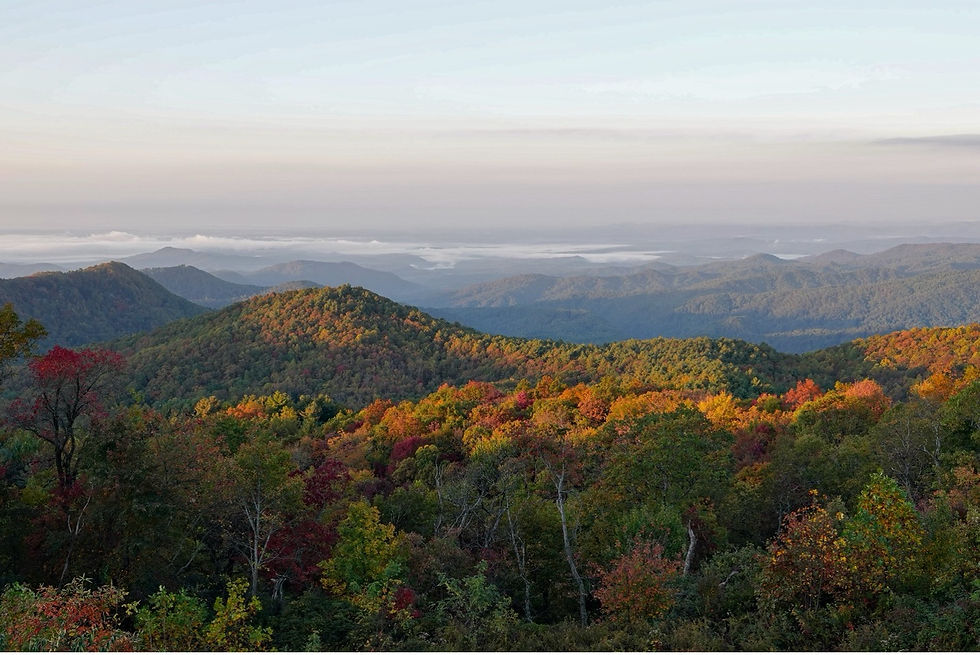
Photo: Alex Levine, IUP
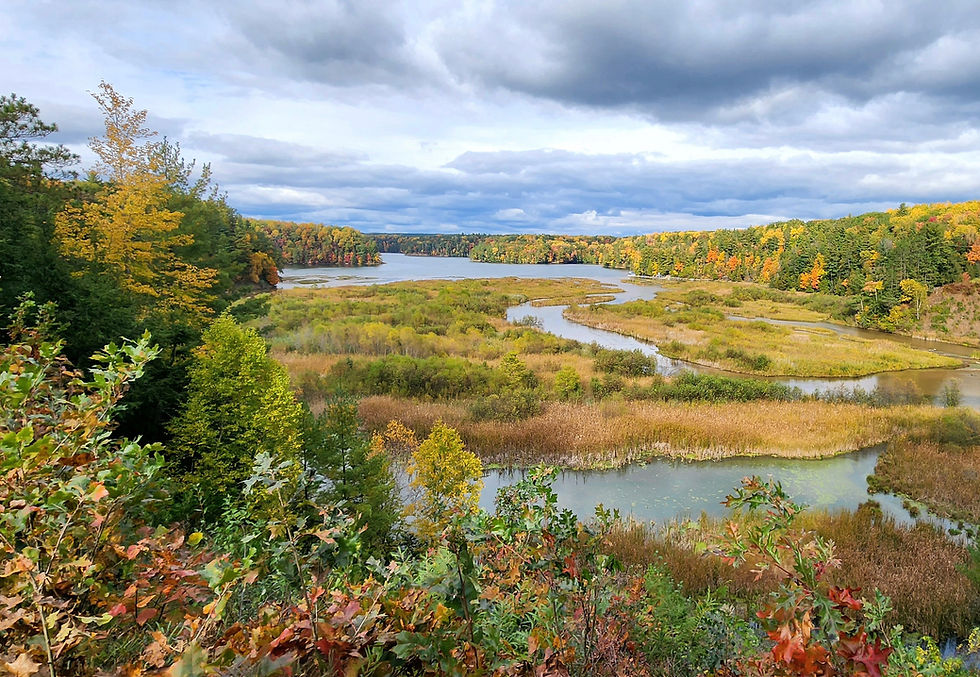
Photo: Courtesy of USFWS
A Changing Landscape

Much of the eastern United States is covered by deciduous forest – an essential landscape that supports landowners, communities, and biodiversity. Yet beneath their green canopies, these forests are in decline. Natural disturbances like fires and floods have been suppressed, while fragmentation, invasive species, diseases, forest pests, and exploitative harvesting further diminish forest health. The result is a landscape increasingly dominated by even-aged, closed canopy forests that lack the diversity and resilience needed to support people and wildlife.
Photo: Alex Levine, IUP RI

Dynamic forests, on the other hand, are landscape-scale mosaics of varied forest conditions. In the absence of natural disturbances, these forests are shaped by management practices that create and maintain diverse age classes, vegetation structure, and ecological communities over time. Achieving these conditions across the Eastern Deciduous Forest biome requires more than stand-level action; it demands coordinated, cross-boundary strategies and long-term planning.
Dynamic Forest Restoration (DFR) and the Deciduous Forest Framework (DFF) offer complementary, science-based approaches to strategically coordinate sustainable forestry practices across ownerships and create meaningful, measurable, long-term ecological change. These strategies help transform individual management decisions into landscape-scale outcomes – growing dynamic forests capable of sustaining people, biodiversity, and communities for generations to come.
_edited.jpg)